Wird diese Nachricht nicht richtig dargestellt, klicken Sie bitte hier.
Platzhalter

Dear Colleagues,

welcome to our first Research Newsletter of 2026. 

I would like to begin by expressing my sincere gratitude for the wide range of research activities taking place at SFU. It is inspiring to see how research at our university is not only thriving across different formats, but also increasingly reaching and engaging society. 

In particular, events such as the Long Night of Research #2026 and the 1st Science Conference at SFU MED, organised in cooperation with WIGEV, highlight how successfully SFU research is communicated beyond academia. These initiatives demonstrate the strength of our partnerships and our shared commitment to making scientific knowledge accessible and relevant. I would like to extend my heartfelt thanks to everyone involved in coordinating and contributing to these events – your efforts make SFU visible and impactful in society. 

The past months have also been dynamic on an institutional level. We had the pleasure of hosting the CoARA follow-up meeting at SFU, bringing together representatives from numerous universities and higher education institutions. It is encouraging to see SFU among the early movers shaping and advancing new approaches to research assessment. 

To further support our researchers, we have recently expanded our library resources. With the introduction of the EBSCO Discovery Service as our central search engine, access to scientific literature has been significantly improved. 

In this issue, alongside updates on eventsnews from the Research Support Center, and current funding opportunities, I am proud to present selected research highlights from all four faculties. These contributions once again demonstrate the vibrant and research-intensive environment at SFU. We also showcase a selection of media mentions that underline the relevance and visibility of our work. 

Finally, I would like to thank all SFU researchers for their dedication and for conducting research that tackles important societal questions and challenges. Your work continues continues to strengthen SFU as a dynamic, forward-looking, and impactful research institution.

Warm regards, 
Univ.-Prof. Dr. Marion Garaus, PhD 
Vice Rector for Research 

News from the Research Support Center 

The SFU intranet keeps growing!

We are pleased to introduce several new sections in our intranet, designed to keep you better informed.

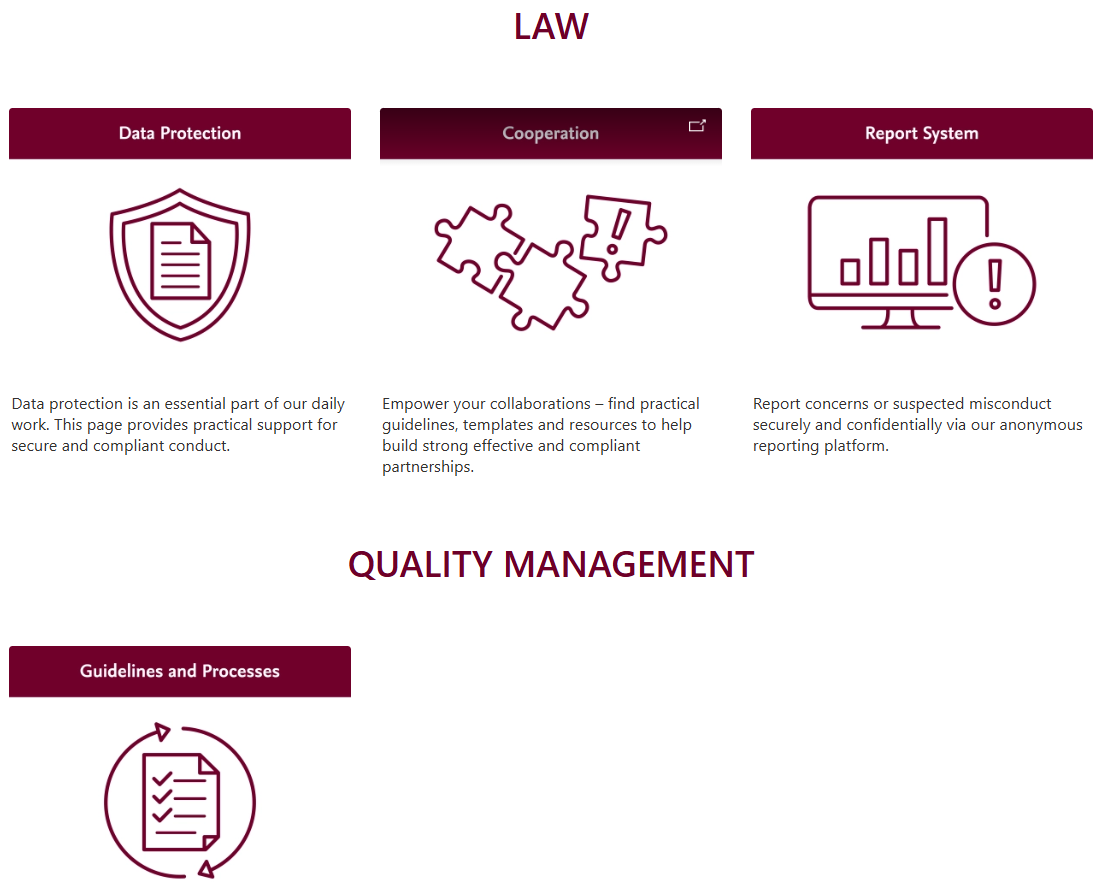
The new Law section provides valuable information on data protection, cooperations, and the anonymous internal reporting system. 

In addition, guidelines and processes from Quality Management will be made available soon. 

It is also worth exploring the new section Call for Papers and Conferences, curated by the Research Offices of the faculties, which offers up-to-date information on international academic opportunities. 

Research resources & tools

SFU hosted Austrian CoARA follow-up meeting in Vienna

On 9 January, SFU hosted an Austrian follow-up meeting on the implementation of the Coalition for Advancing Research Assessment (CoARA) in Vienna, bringing together representatives from universities, research organisations, and funding bodies across Austria.  

Participants shared updates on CoARA implementation in Austria, discussed topics such as Open Science Assessment and teaching, and explored opportunities for future collaboration.

The programme also featured the SFU project CoARAverse in Psychology, presenting practical approaches to applying CoARA principles in research practice. 

Browse our library’s new digital resources

Access to Wiley Online Library and EBSCO’s Academic Search Ultimate is now live, offering thousands of peer-reviewed journals across medicine, psychology, and the social and behavioural sciences. 

Plus, the EBSCO Discovery Service (EDS) provides a single, user-friendly platform to search all licensed digital content.

Commitment to data protection: newly appointed officer and coordinator 

The SFU is strengthening its data protection structure: The university once again has a data protection officer: Cortina Consult GmbH assumes this role and has been officially registered with the competent authority. 

For all internal data protection matters, Mag.a Saška Milošević LL.M. continues to serve as data protection coordinator and the central contact person for our staff. She now also manages the email address datenschutz@sfu.ac.at, through which all data protection-related inquiries can be submitted directly to her.

Events

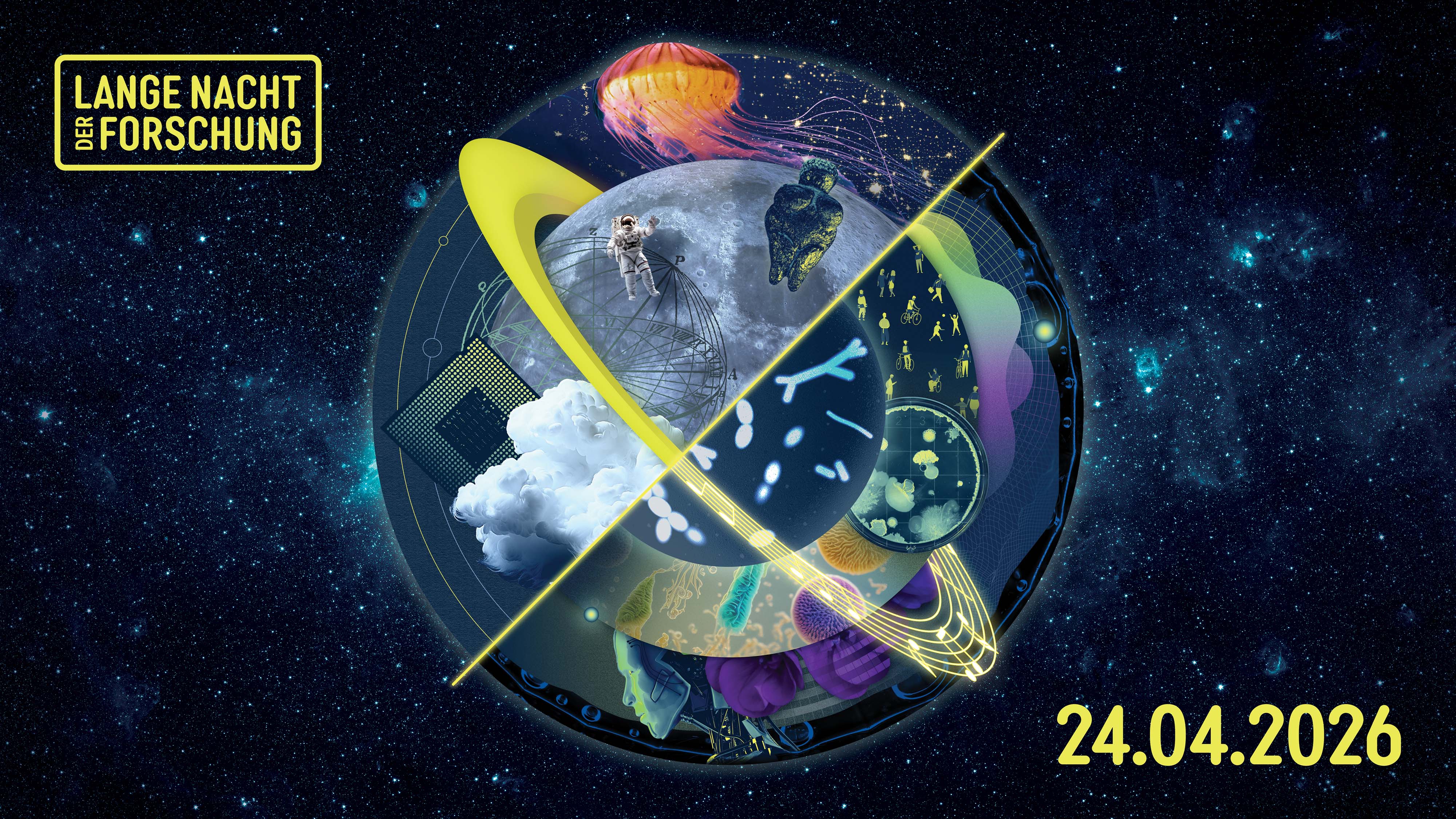
📅 24 April 2026: Discover and explore the Long Night of Research #2026 at SFU 

On Friday, 24 April 2026, the next Long Night of Research will take place – join us for an evening of discovery! We warmly invite you to drop by, explore our programme, and bring along friends and family. 

SFU’s programme will take place at Freudplatz 3 and promises a varied and engaging evening. Visitors can look forward to public lectures as well as an interdisciplinary panel discussion on the role of artificial intelligence in therapy and medical consultations. In addition, a range of workshops and interactive stations invites guests to engage with research in a hands-on way. 

Curious minds: Exciting programme for young explorers 
Younger visitors can enjoy highlights such as a teddy bear hospital and the chance to meet a therapy dog. Those interested in medicine can test their lung health and try out skills such as resuscitation or surgical suturing. Other stations offer insights into topics such as the fascinating world of enzymes and psychological brain research. 

Engaging workshops bring research to life – for kids, teens and adults 
The workshops and interactive sessions cover a wide range of subjects, from democracy and criminal law to art observation, along with psychological perspectives on personal change and encourage reflection on everyday political rhetoric. 

We look forward to welcoming curious minds of all ages for an evening of discovery and exchange. 

📅 24 April 2026: Medical research meets collaboration –
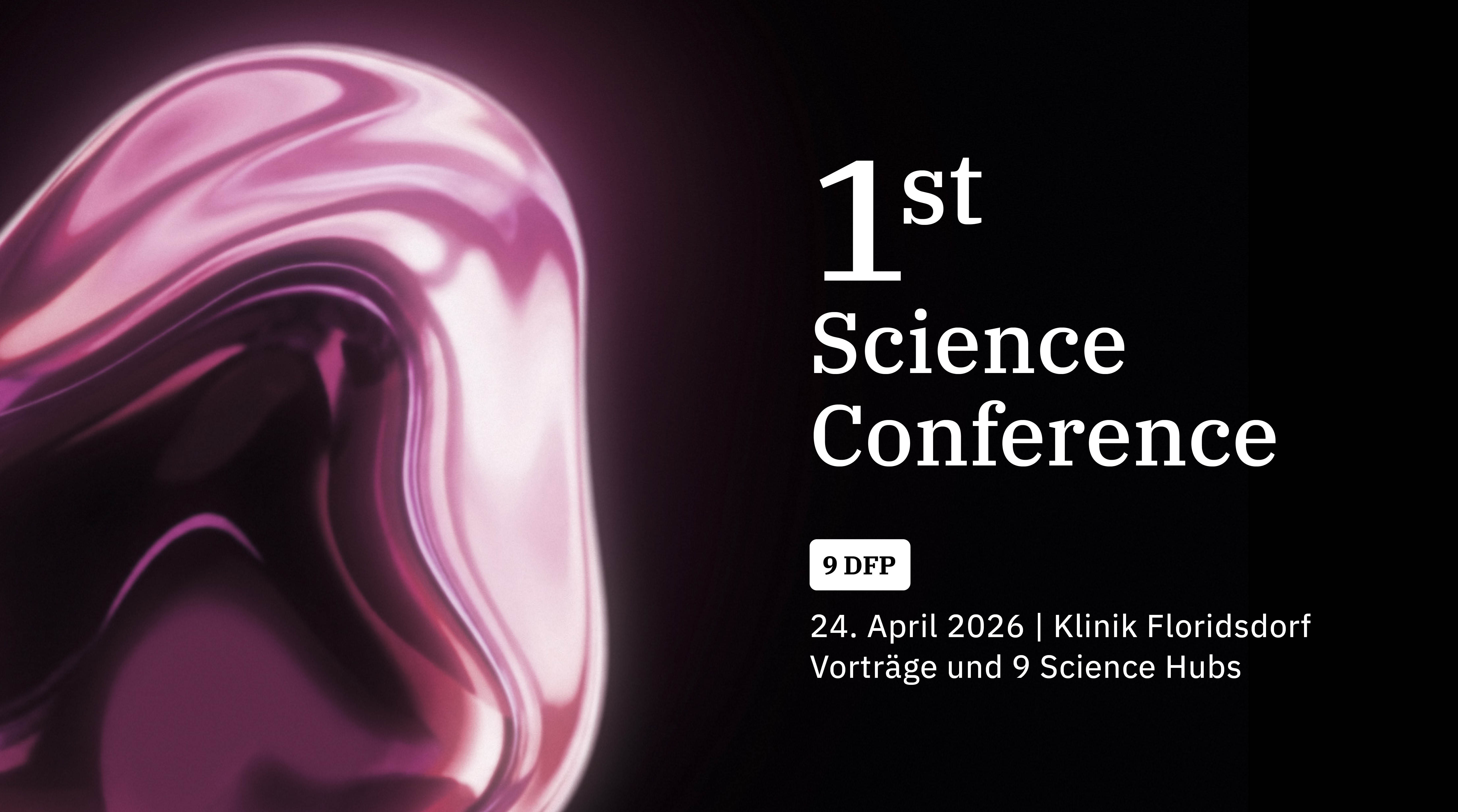
Join the 1st Science Conference at SFU MED  

The 1st Science Conference at SFU’s Faculty of Medicine brings together experts to share the latest findings, methodologies, and innovations, and welcomes researchers at all career stages. The event provides a platform for exchange, networking, and interdisciplinary collaboration. 

Highlights include a keynote lecture on healthy aging, presentations of top research publications, and interactive sessions at the Science Village. Explore current projects and innovative approaches across nine research hubs, connecting with both SFU MED teams and partners.

This event is organised in cooperation with the Wiener Gesundheitsverbund (WIGEV), Vinzenz Gruppe, AUVA, and Barmherzige Brüder.

Save the date and join for a day of scientific exchange and collaboration! 

Funding opportunities

Forthcoming Horizon Europe calls

Gender violence against women & LGBTIQ people in politics

📅 Deadline: 23.09.2026

HORIZON-CL2-2026-01-DEMOCRACY-01

Funding of up to €4M (100% funding rate) is available for transnational research addressing gender-based violence against politically active women and LGBTIQ people, both online and offline.

Projects should examine key drivers, impacts, and intersecting factors (such as ethnicity and disability), and develop evidence-based policy recommendations alongside inclusive media guidelines. A minimum of three partners from EU or associated countries is required.

Long-term care policy in the face of EU demographic shifts

📅 Deadline: 23.09.2026

HORIZON-CL2-2026-01-TRANSFO-09

Funding of €4-6M (100% funding rate) is available for projects addressing demographic change in the EU by rethinking long-term care (LTC) policies for ageing populations.

Projects should model future LTC needs (for example, a projected increase of 21% by 2070), assess financing models, workforce shortages, and explore innovative home- and community-based solutions across EU countries. A minimum of three partners from EU or associated countries is required.

Bio-based innovation in society: supporting sustainable living

📅 Deadline: 17.09.2026

HORIZON-CL6-2026-01-CIRCBIO-10

Funding of up to €5M (100% funding rate) is available for projects promoting bio-based innovations that support sustainable lifestyles and encourage circular economy practices across society.

Projects should develop, test, and demonstrate solutions such as bio-materials, waste valorisation, and consumer engagement strategies to help accelerate the transition to greener, more sustainable living. Multi-partner consortia from EU or associated countries are required.

Mobility programmes

OeAW Post-DocTrack:
Launch your independent career

📅 Deadline: 15.05.2026

POST-DOC-TRACK

The Austrian Academy of Sciences (OeAW) funds early-career researchers in humanities, social & cultural sciences during their post-PhD transition (3-12 months, €50,000+/year super-gross). 

Thesis publication completion, independent grant project development, and international networking are supported for Austrian PhD graduates (max. 5 years post-defense).

Humboldt Research Fellowship:
postdocs & senior researchers

📅 Opening: 15.03.2026 (rolling applications)

HUMBOLDT RESEARCH FELLOWSHIP

The prestigious Humboldt Foundation supports international postdocs (€2,670-3,000/month) and experienced researchers (€3,170/month) with 6-24 months of independent research in Germany (all disciplines).

Rolling applications (next call: 03/2026); requires a recent PhD (within 4 years), strong publications, and a German host. Includes travel, family support, language courses, and a lifelong alumni network.


Research news: Spotlight on the faculties

Highlights from the Faculty of Psychotherapy Science 

Pioneering Pure: Faculty of Psychotherapy Science launches internal call for proposals

The Faculty of Psychotherapy Science is pleased to announce the launch of its 3rd Internal Call for Proposals funded by the faculty’s research budget, for the first time accessible directly through Pure, SFU’s new research information system. 

With this initiative, the faculty pioneers the use of Pure for managing internal funding opportunities, marking an important milestone in the ongoing digitalisation and development of research support at the university. Integrating the call into Pure is designed to streamline the application process, increase transparency, and provide researchers with a centralised platform for discovering funding opportunities and submitting their proposals. 

To ensure a clear and structured application process, each of the six funding areas has been set up as a separate funding opportunity within Pure. Researchers from the Faculty of Psychotherapy Science are invited to submit their proposals directly through the system. 

Psychotherapy Science across Europe: Insights from Research Days in Linz and Paris 

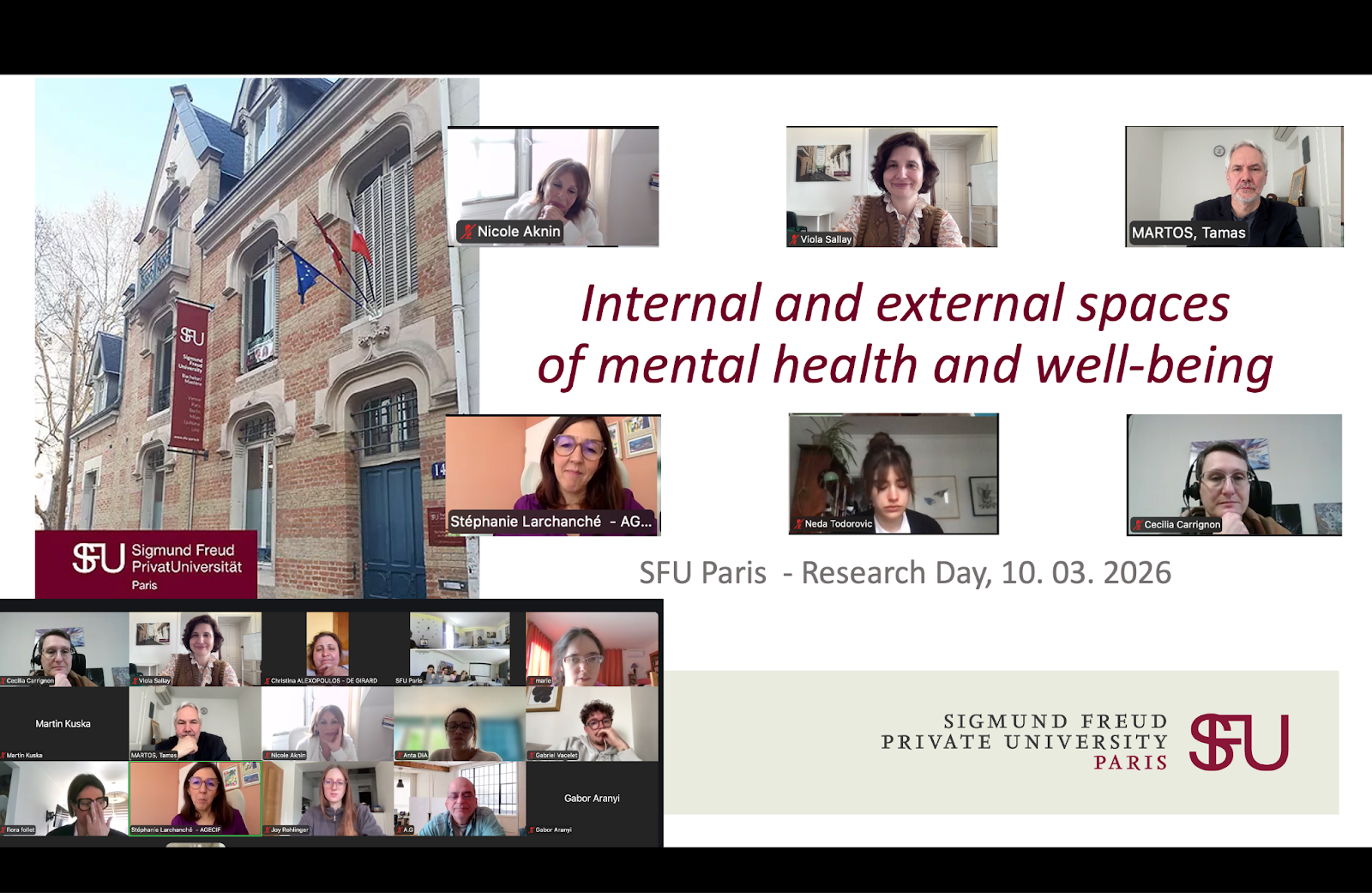
Two recent Research Days at SFU Linz and SFU Paris showcased current key topics in Psychotherapy Science, bringing together scholars, practitioners, and students from SFU campuses and beyond.  

In Linz, discussions focused on the concept of Future Trauma in the context of global crises, while the Paris research day explored internal and external Mental Health Spaces.  

Together, the events offered valuable insights into emerging perspectives and debates in psychotherapy research.

Alcohol as a ‘false antidepressant’? New study reveals hidden links to mental health

Alcohol is often used to cope with low mood – but new research at the Faculty of Psychotherapy Science suggests it may actually reinforce psychological distress. 

The research team led by Univ.-Prof. Marina Zeldovich and Univ.-Prof. Human-Friedrich Unterrainer analysed data from more than 2,000 adults to explore how alcohol misuse relates to depressive symptoms, anxiety and stress.

Latest research news from the Faculty of Psychology 

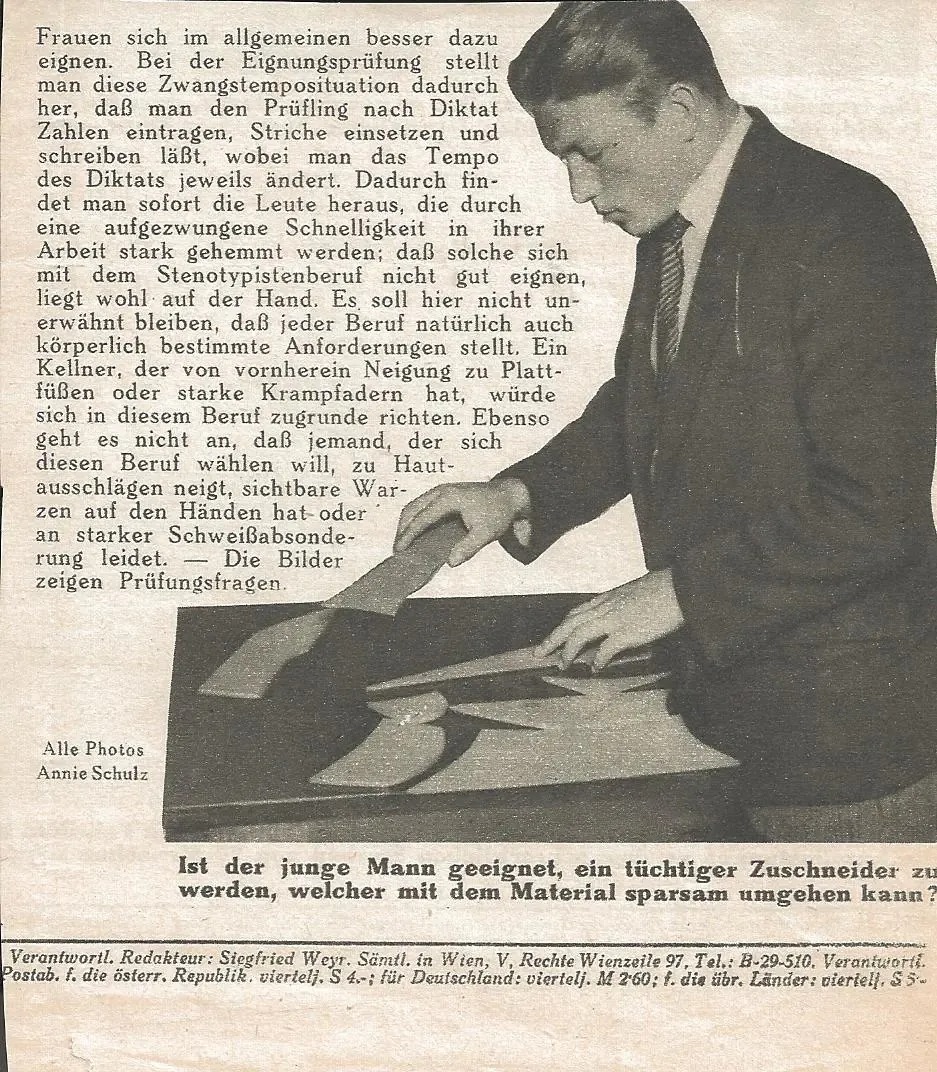
Psychotechnics in Austria: rediscovering a forgotten chapter of psychology

The research team led by Prof. Martin Wieser at SFU Berlin is examining the emergence and development of psychotechnics in Austria between 1920 and 1950.  

The FWF-funded project explores how early applied psychologists developed aptitude tests, measurement methods and counselling approaches used in areas such as industry, the military, public administration and education.  

Using previously unexplored archival sources, the project revisits the Vienna Psychotechnical Institute, its founder Karl Hackl and the network of psychotechnicians who shaped aptitude testing and vocational guidance in the interwar period. 

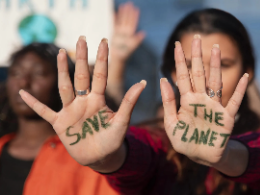
Good Life and Climate Protection?! – New study explores sustainability in the everyday lives of migrant women

How do climate protection and a good life come together in everyday practice?  

A new research project at the Institute of Qualitative Social Research, funded by the City of Vienna, explores sustainability from a perspective that has so far received little attention: the daily lives of socio-economically precarious migrant women in Vienna.  

Through participatory workshops, the study examines how these women understand and practice sustainability, what challenges they face, and what support they need to act more sustainably.  

Navigating complexity in healthcare: join our survey!

From navigating health information to making decisions under uncertainty: how do people handle complexity in healthcare today?  

The HEALTH LAB explores this question in a current study and invites you to share your experience.

Research advances from the Faculty of Law

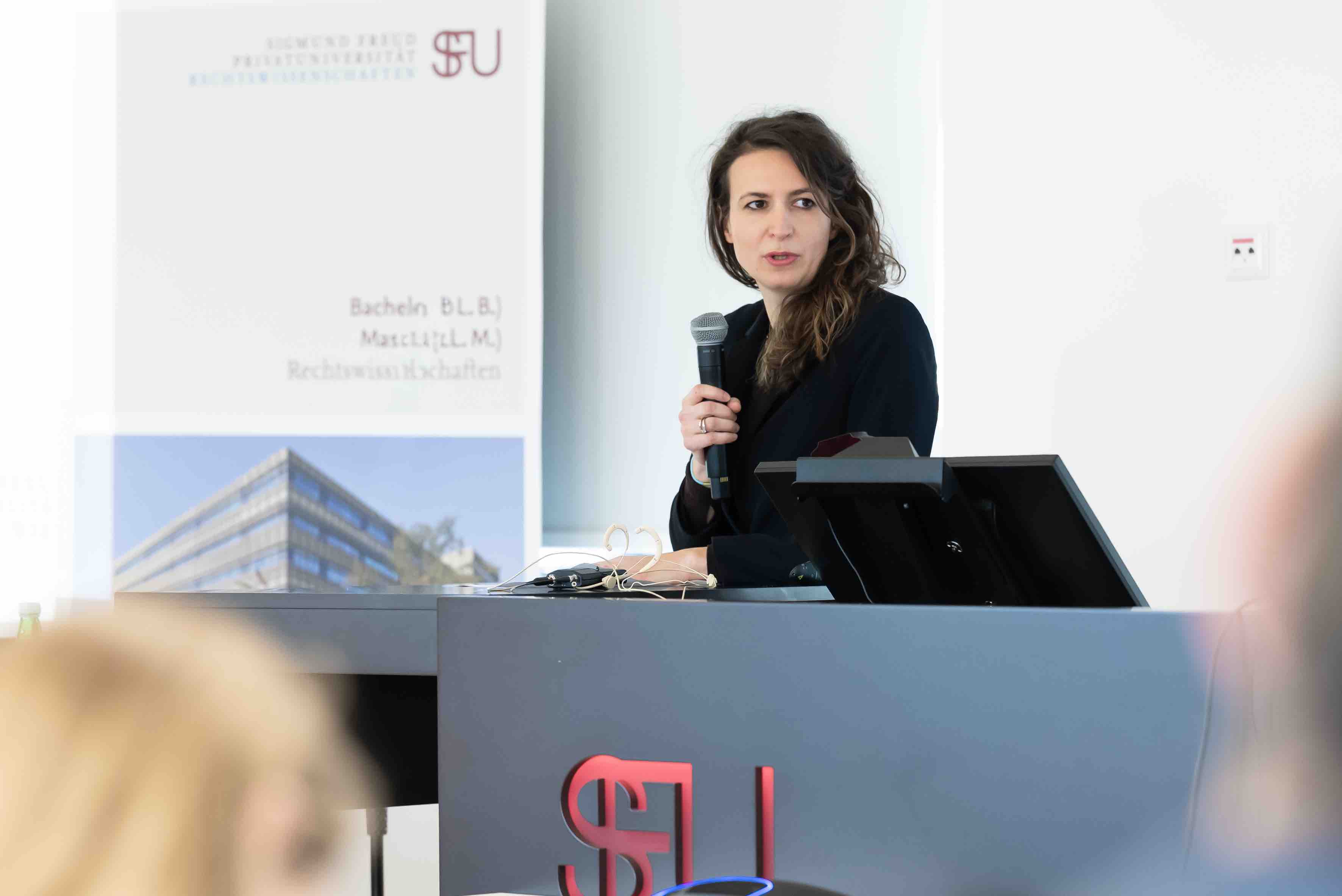
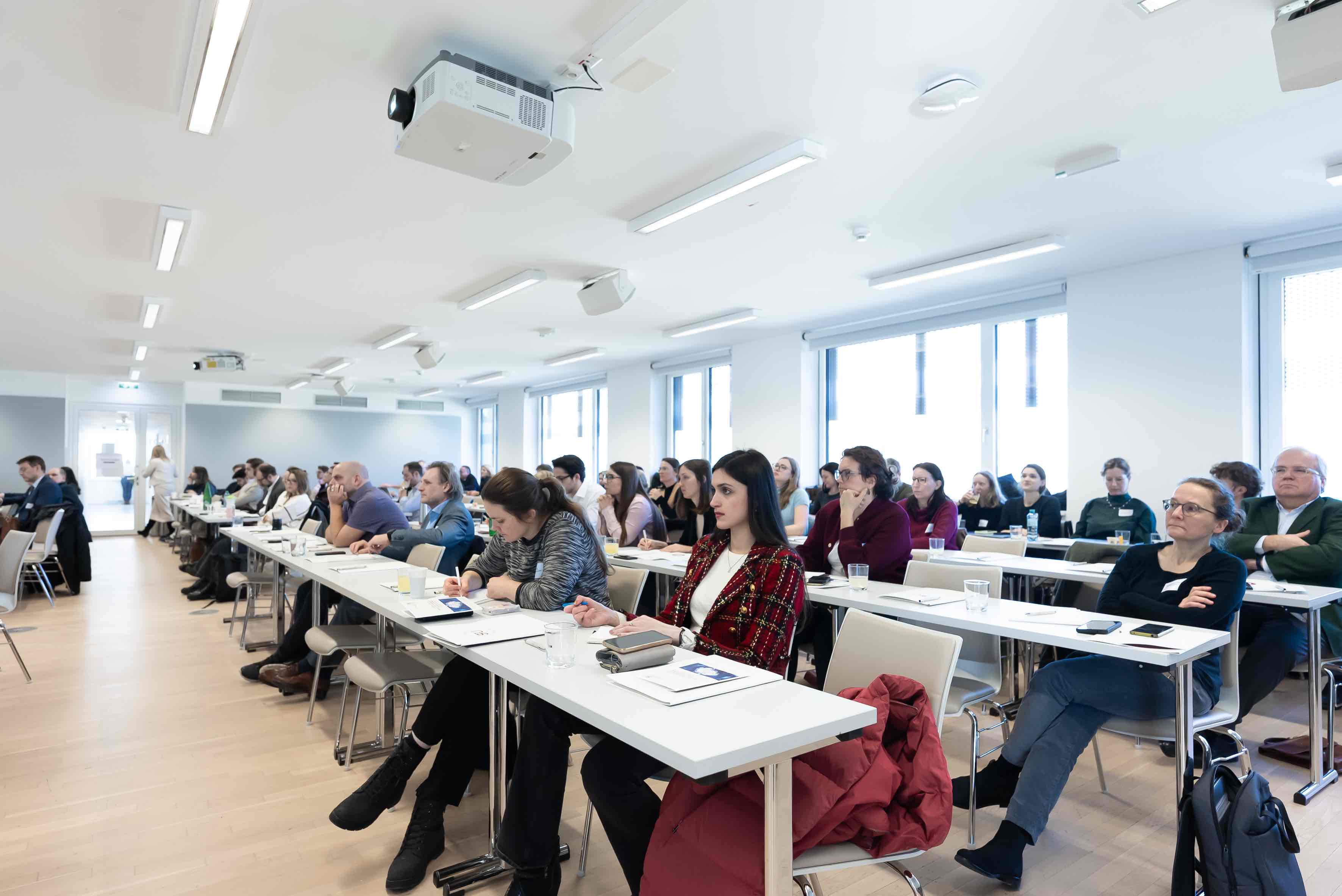
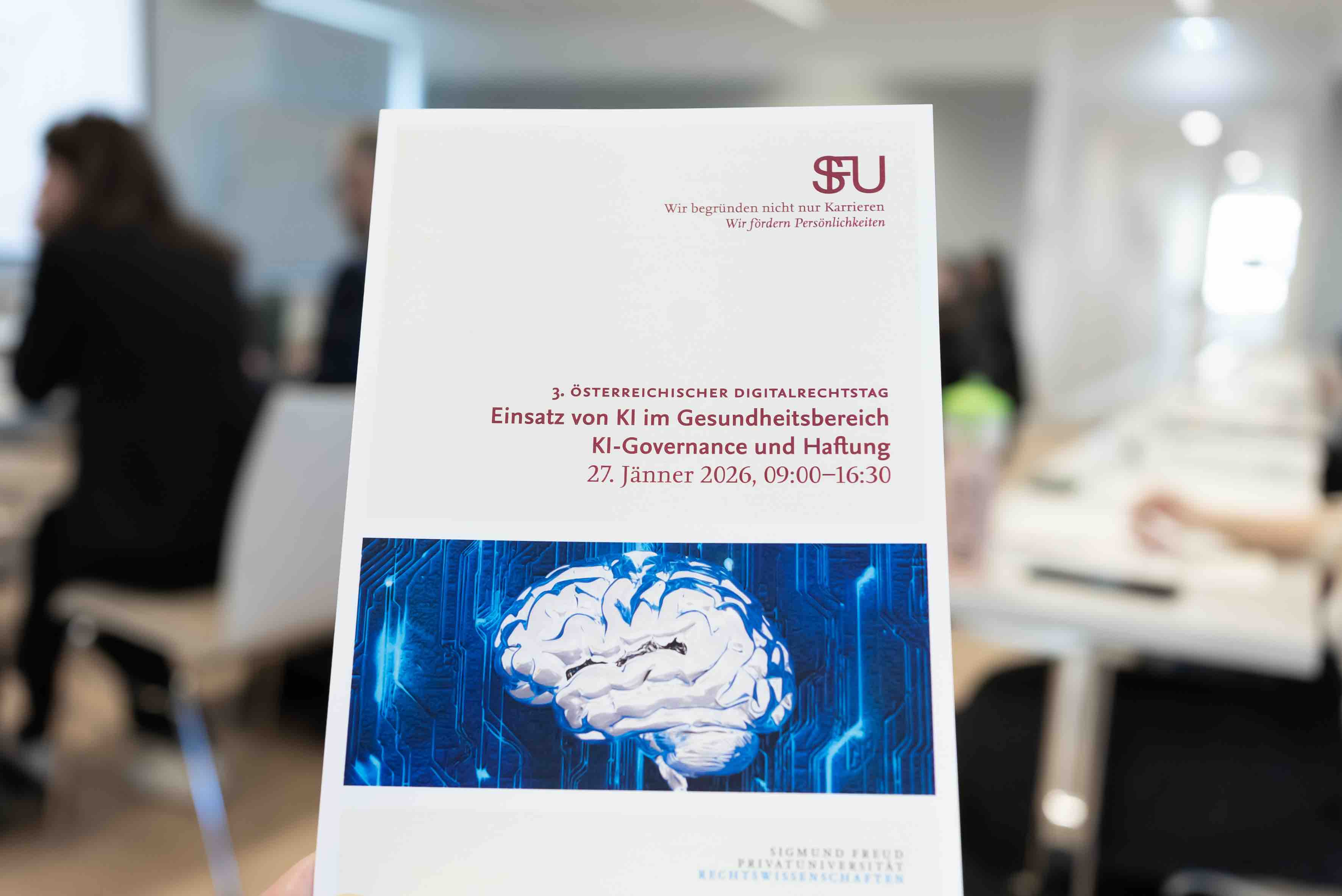
Conference on the use of AI in medicine, AI-Governance and liability at the SFU

On 27 January 2026, Professor Karin Bruckmüller and Assistant Professor Katharina Huber hosted the 3rd Austrian Digital Law Day on The Use of AI in Medicine.  

The use of AI is becoming increasingly relevant in the healthcare sector. The AI Act establishes specific requirements, but in practice there are still considerable uncertainties regarding liability issues, particularly at the interface between technology, medicine and law. 

The conference initially addressed the use of AI from an interdisciplinary perspective. The legal section examined liability issues arising from the use of AI in medicine from both civil and criminal law perspectives. The interdisciplinary practice panel focused on questions of AI governance to minimise liability and sanctions.

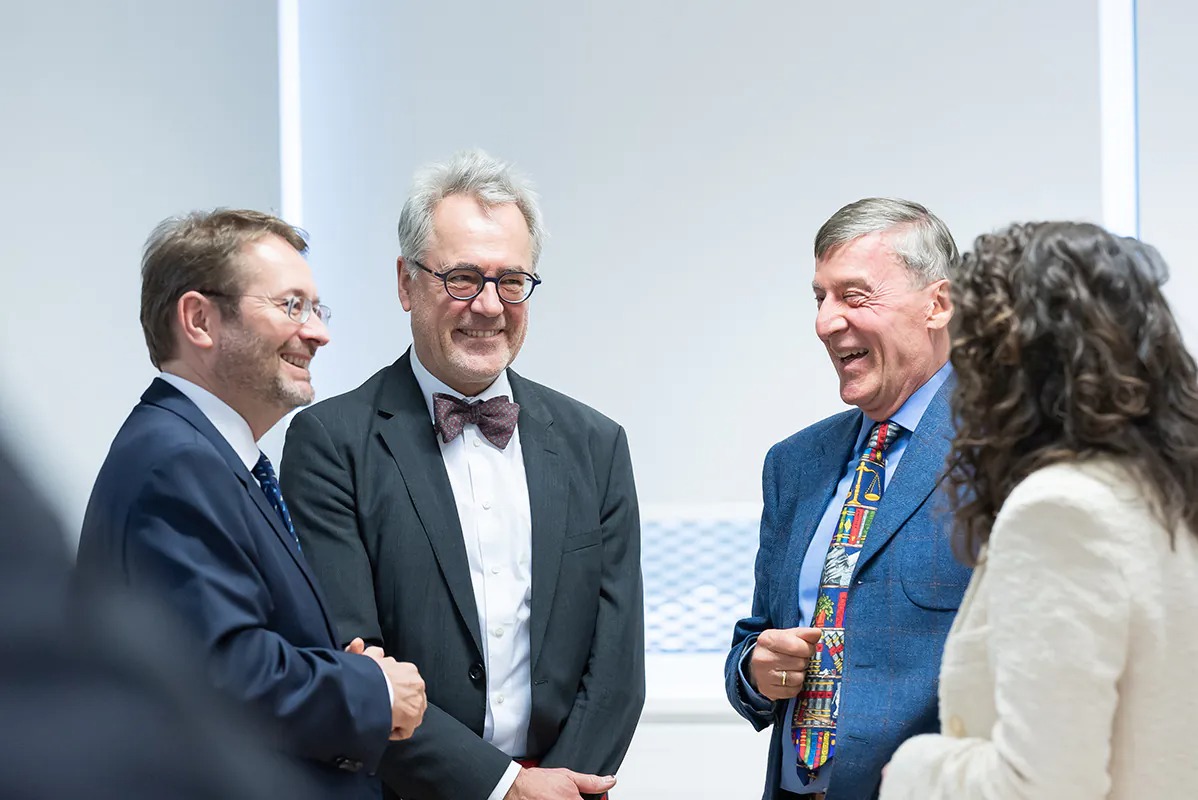
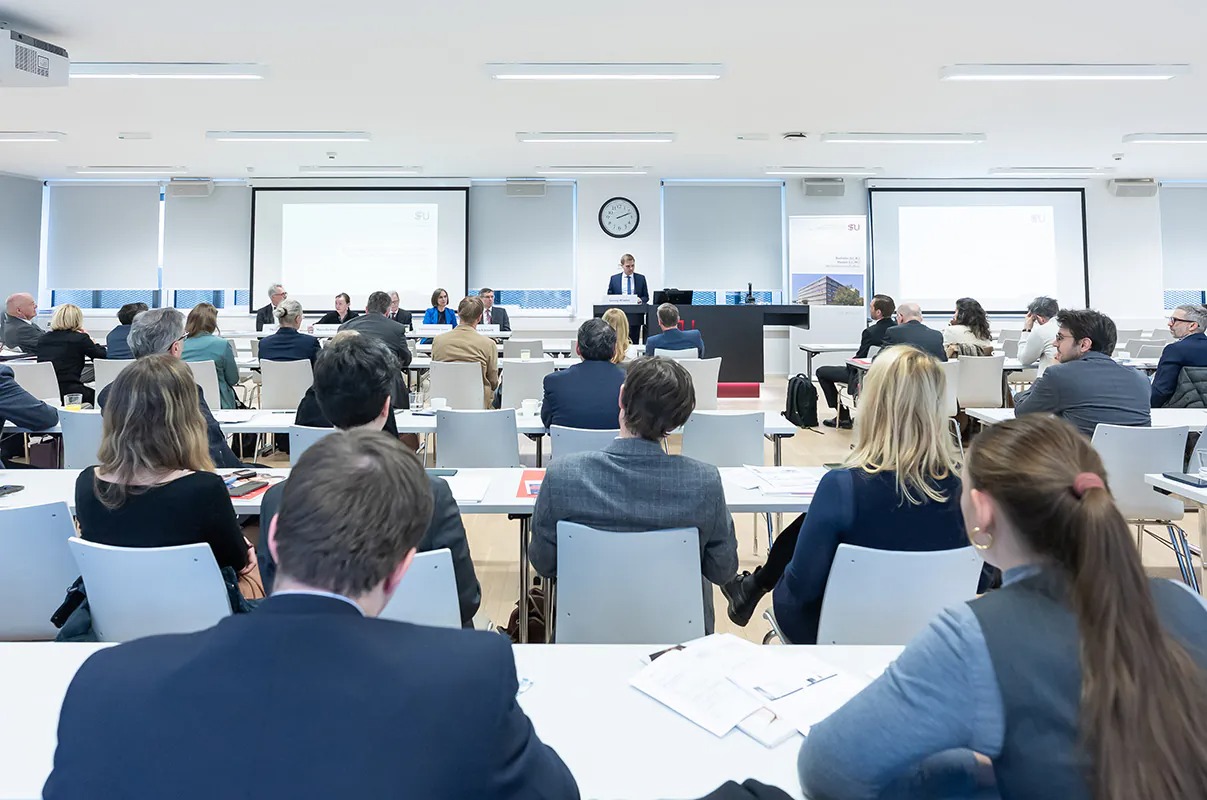
Unfair competition law in focus: conference honours justice Manfred Vogel

At a symposium hosted by the Faculty of Law, leading scholars, judges, and practitioners discussed current developments in Austrian unfair competition law – from greenwashing and trade secrets to AI governance.

The event honoured Justice Manfred Vogel, long-standing SFU lecturer and former Presiding Judge of the Austrian Supreme Court of Justice. 

What's new in research at the Faculty of Medicine

Advancing heart and cancer research research: two SFU projects funded by the City of Vienna

The Medical Scientific Fund of the Mayor of the City of Vienna is supporting two SFU projects exploring innovations in heart and cancer medicine. 

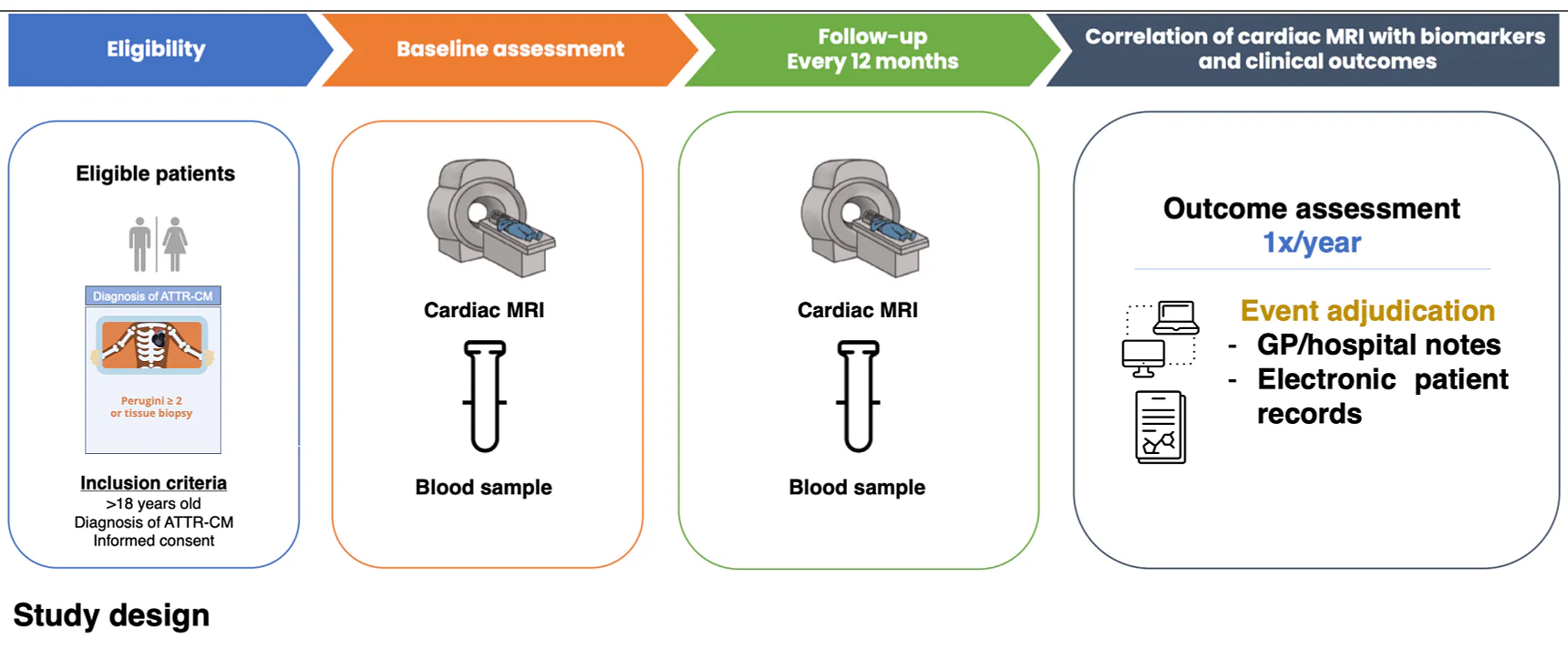
Dr. Stephan Dobner is investigating blood markers for earlier detection of cardiac amyloidosis. The project aims to find a marker that reflects protein buildup in the heart, which could allow simpler diagnosis and help monitor treatment. 

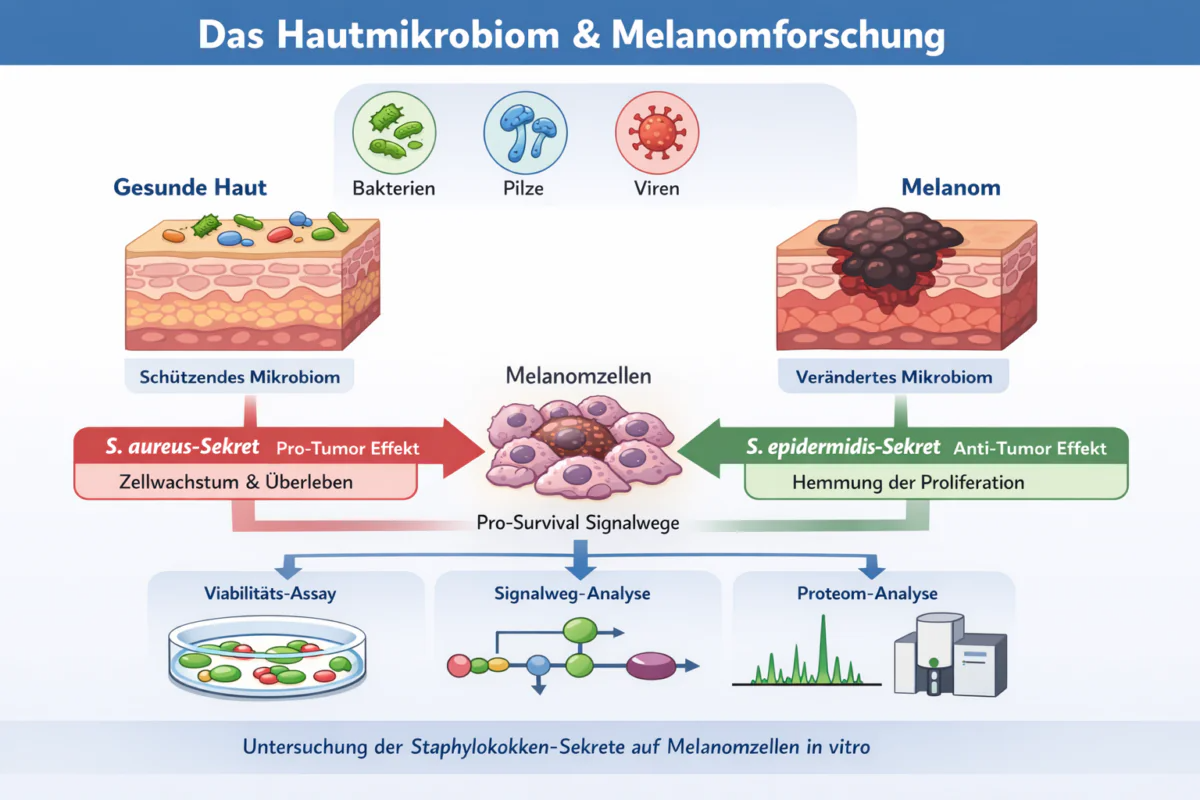
The project led by Dr. Christian Posch and Dr. Verena Schön examines how bacteria that naturally live on our skin influence the behavior of melanoma cells. The aim is to determine whether certain bacterial substances promote or inhibit tumor growth to improve skin cancer therapy.

Does drinking water affect children’s tooth development? New study sheds light

A large-scale study of more than 46,000 children in Lower Austria combines dental screening data with regional water quality information to explore potential environmental influences on molar-incisor hypomineralisation (MIH), a developmental defect in tooth enamel. 

Besides confirming that MIH is driven by multiple factors, the research highlights the strong potential of combining large health and environmental datasets for future studies. 

Third mission & outreach

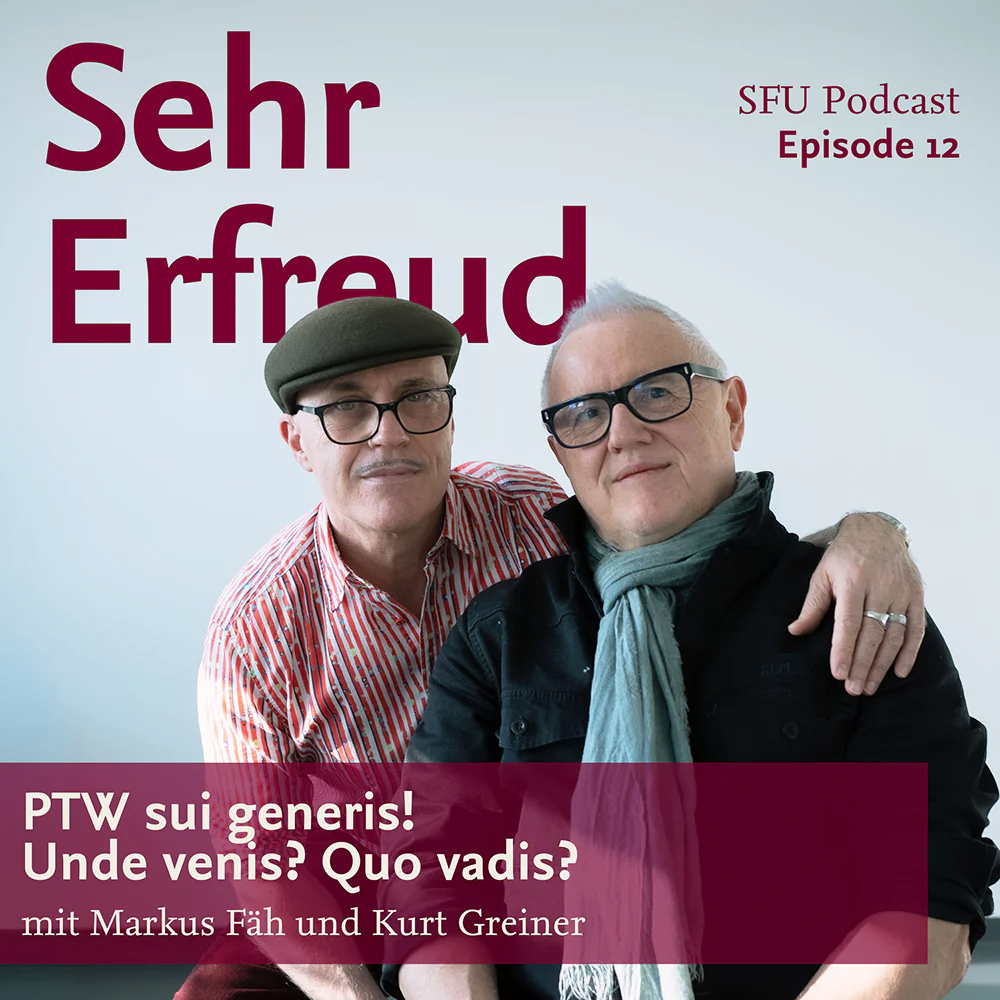
SFU Podcasts 11&12:
Unpacking the identity, foundations and future of PTS

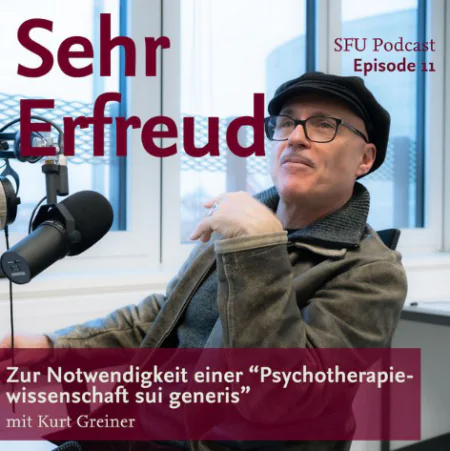
PTW sui generis. Unde venis? Quo vadis? Sehr Erfreud, Kurt Greiner & Markus Fäh

Join host Cheyenne Scheuch as she dives deep into the question of what makes psychotherapy science a discipline of its own.  

In Episode 11, she speaks with Univ.-Prof. Dr. Dr. Kurt Greiner on the unique nature of the field and the necessity of a sui generis psychotherapy science – especially in the light of current academic and legal developments. 

Episode 12 builds on that conversation with Univ.-Prof. Dr. Dr. Kurt Greiner Greiner and Priv.-Doz. PhD Markus Fäh, asking Unde venis? Quo vadisWhere do you come from? Where are you going? – to explore the roots, evolution and outlook of the field.

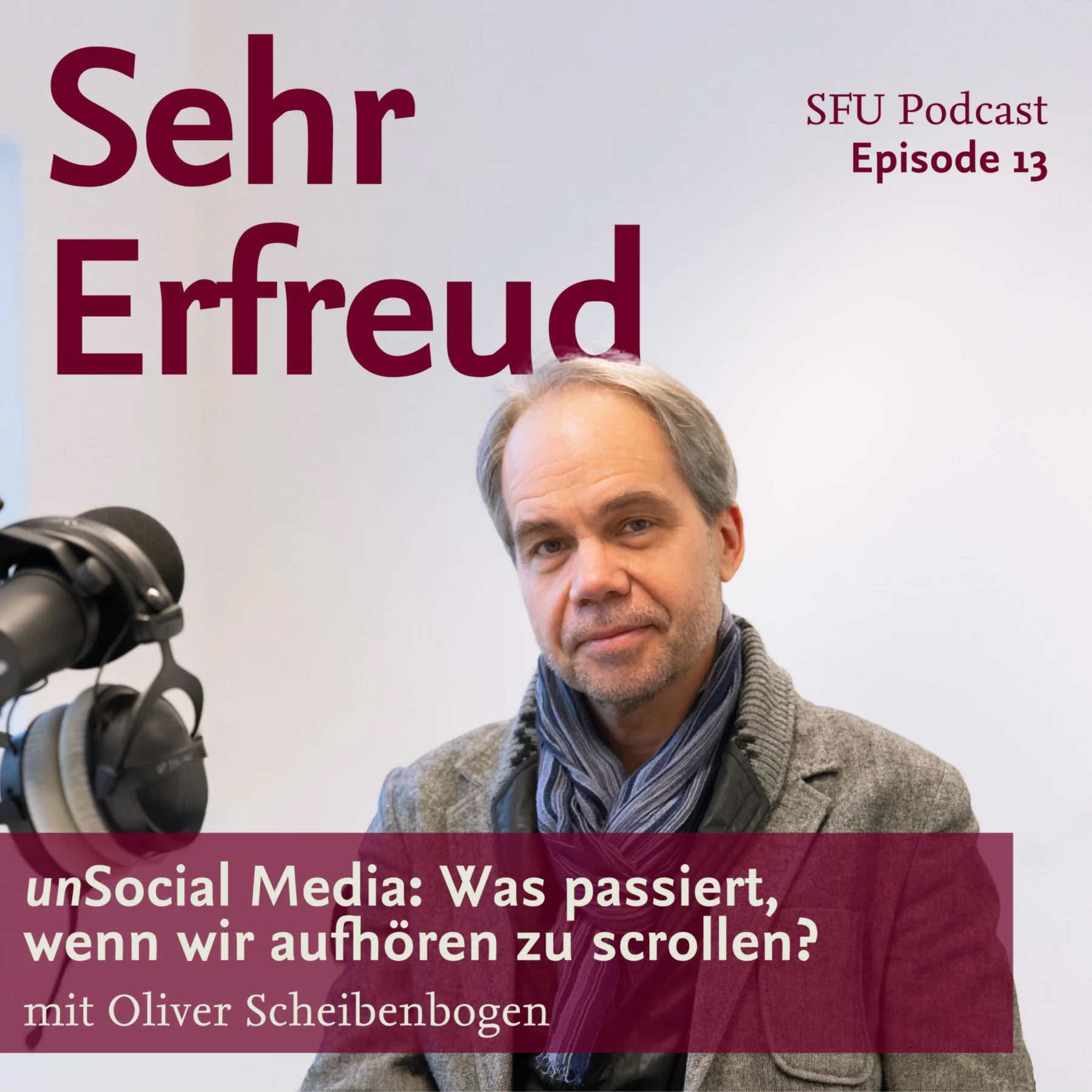
SFU Podcast 13:
Exploring digital detox – reflections from the Handyexperiment

unSocial Media: What happens when we stop scrolling? Sehr Erfreud, Oliver Scheibenbogen

In Episode 13, host Cheyenne Scheuch sits down with clinical and health psychologist Oliver Scheibenbogen for a lively conversation about our scrolling habits and digital dependency.  

They explore the surprising findings of the Handyexperiment Österreich, reflect on attention, wellbeing, and tech use, and discuss practical ways to step back from the screen.  

A thought-provoking dialogue blending science, personal insight, and engaging debate. 

Film documentary:
Rethinking violence in art and the role of museums 

MANN MACHT KUNST

At the end of January 2026, the documentary project MANN MACHT KUNST by Elisabeth Schäfer (Faculty of Psychotherapy Science) was launched in collaboration with the collective MATHILDA. 

The film opens a door to questions we rarely dare to ask. Moving between past and present, the documentary hints at hidden tensions between creation, power, and responsibility, without offering easy answers. What draws us to these works? And what might we be overlooking? 

A striking example of SFU’s 3rd mission in action. 

SFU research in the media

In recent weeks, SFU researchers and institutes have been featured in leading media outlets, contributing their expertise to key societal, technological, and psychological debates. A selection of highlights:


ORF Ö1, 16.03.2026: Ist das Völkerrecht noch zu halten? / Is international law still viable? – Ralph Janik (Legal Studies, International Law)

▸ Discussion on the future of international law in a shifting geopolitical order, highlighting research on global governance and Europe’s strategic role.

Der Standard, 14.03.2026: Kein Wort selbst geschrieben: Fachverlag Manz veröffentlichte rein KI-generiertes Buch / Manz academic publisher releases entirely AI-generated book – Wolfgang Zankl (Digital Transformation & AI)

▸ About a research project using generative AI to produce a legal commentary on the EU AI Act, addressing questions of authorship, intellectual property, and AI-supported knowledge production.

ORF Ö1, 12.03.2026: Zwanghaft (un)ordentlich - Pedant oder Messie...? / Compulsively (un)tidy – pedant or hoarder…? – Birgit Stetina (Psychology & Psychotherapy Science)
 
▸ Clinical insights into compulsive behavior and therapeutic approaches based on psychological research.

NÖN / Rundschau, 10.03.2026: SZ-Ybbs: Handyexperiment – 21 Tage offline! / SZ-Ybbs: mobile experiment – 21 days offline! – SFU (Psychology & Behavioral Research) 

▸ Large-scale field studies on digital abstinence and its effects on adolescents’ well-being and behavior.

Der Standard, 02.03.2026: Tausende Passagiere im Nahen Osten gestrandet: Was können und sollen sie tun? / Thousands of passengers stranded in the Middle East: What can and should they do? – Stephan Keiler (Legal Studies)

▸ Legal analysis of passenger rights during geopolitical disruptions, based on EU regulation frameworks.

Profil, 27.2.2026: Krieg in Europa: Wer verteidigt Österreich – und wen verteidigen wir? / War in Europe: Who defends Austria – and whom do we defend? – Ralph Janik (Legal Studies, International Law)

▸ Austria’s position in Europe’s war debate raises questions, as the country leans on neutrality and avoids clarifying its role under the EU’s mutual defence clause.

Die Furche, 27.2.2026: Die neue Askese: Handy-FastenThe new asceticism: digital detox – Oliver Scheibenbogen (Psychology)

▸ Three weeks of smartphone abstinence can significantly improve adolescents’ mental well-being and highlights the need for broader societal support of digital detox practices.

ORF / Der Standard, 26.-27.02.2026: Psychologin über Geburtenrückgang: "Trend der Zeit" / Psychologist on declining birth rates: "Trend of the times" – Elisabeth Ponocny-Seliger (Psychology)

▸ Research-based explanation of demographic change, linking fertility decline to socio-economic and psychological factors. 

Neue Zürcher Zeitung (Feuilleton), 26.02.2026: Putins Plan für ein treu ergebenes Volk / Putin’s blueprint for a submissive society – Anna Schor-Tschudnowskaja (Psychology)

▸  How Putin’s 'social architects' at Russian universities promote a return to Russia’s civilisational roots and shape society according to the Kremlin’s ideological goals.

VOL.AT, 25.02.2026: Rauchstopp entscheidend: LEAD-Studie zeigt Wandel beim Nikotinkonsum in Österreich / Quitting smoking crucial: LEAD study shows shift in nicotine use in Austria – SFU (Medical Research)

▸ Large-scale health study highlights changing patterns in nicotine use and the importance of prevention.

Il Foglio
, 24.02.2026: I russi e la violenza. L'opinione pubblica russa dopo quattro anni di guerra / Russians and Violence: Russian Public Opinion After Four Years of War – Anna Schor-Tschudnowskaja (Psychology)

▸ Report on Russian public opinion after four years of war, showing widespread pride and support while few acknowledge the violence as unjustified.

Die Presse, 22.02.2026: Drei Wochen Handy-Fasten besser als zwei Wochen Schulferien
 / Three weeks of digital detox are better than two weeks of school holidays Michael Musalek & Alexandra Ferdin (Psychology & Psychotherapy Science)
 
▸ Findings from an SFU symposium show that reduced smartphone use significantly improves mental well-being and reduces depressive symptoms among adolescents.

MeinBezirk, 22.02.2026: Studie zeigt: Alkohol in Österreich oft als falsches "Antidepressivum" genutzt / Study shows: Alcohol in Austria often used as a misguided “antidepressant”Marina Zeldovich (Psychotherapy Science)
 
▸ A peer-reviewed study highlights links between alcohol misuse and mental health using advanced network analysis. 

These examples represent only a small selection of the diverse research conducted at SFU and reflect the dedication of all colleagues whose work could not be individually featured. We thank them for their tireless commitment, expertise, and for strengthening SFU’s visibility in science and society.

Wenn Sie diesen Newsletter (an: barbara.dissauer@sfu.ac.at) nicht mehr empfangen möchten, können Sie ihn hier abbestellen.
Sigmund Freud Privatuniversität Wien GmbH
Univ.-Prof. Dr. Johannes Pollak
Freudplatz 1
1020 Wien
Österreich

+43 (0)1 798 40 98
rektorat@sfu.ac.at

Geschäftsführer: Univ.-Prof. Dr. Johannes Pollak & Mag. Christian Arthaber
Register: FN 588770 p
Tax ID: ATU78572126